WEDDING TRENDS · BRIDAL BOUQUETS · 2026-2027 SEASONS
The bridal bouquet is no longer a mere accessory: it extends the dress, tells the story of a season and gives the images their very first note of colour.
Of all the details of a wedding day, the bouquet is probably the one I photograph most often. Resting beside the bridal shoes during the preparations, held in a slightly trembling hand on the way to the ceremony, left on a table during the portraits… it travels through the whole day and appears in almost every chapter of the story.
Over the last few seasons, it has changed face. Less round, less rigid, freer, it has broken away from the obligatory white and the imposing volumes to become a true reflection of the bride’s personality. Here are the key bridal bouquet trends for 2026 and 2027, along with my perspective as a photographer on what they bring to your images.

The loose, airy and asymmetrical bouquet
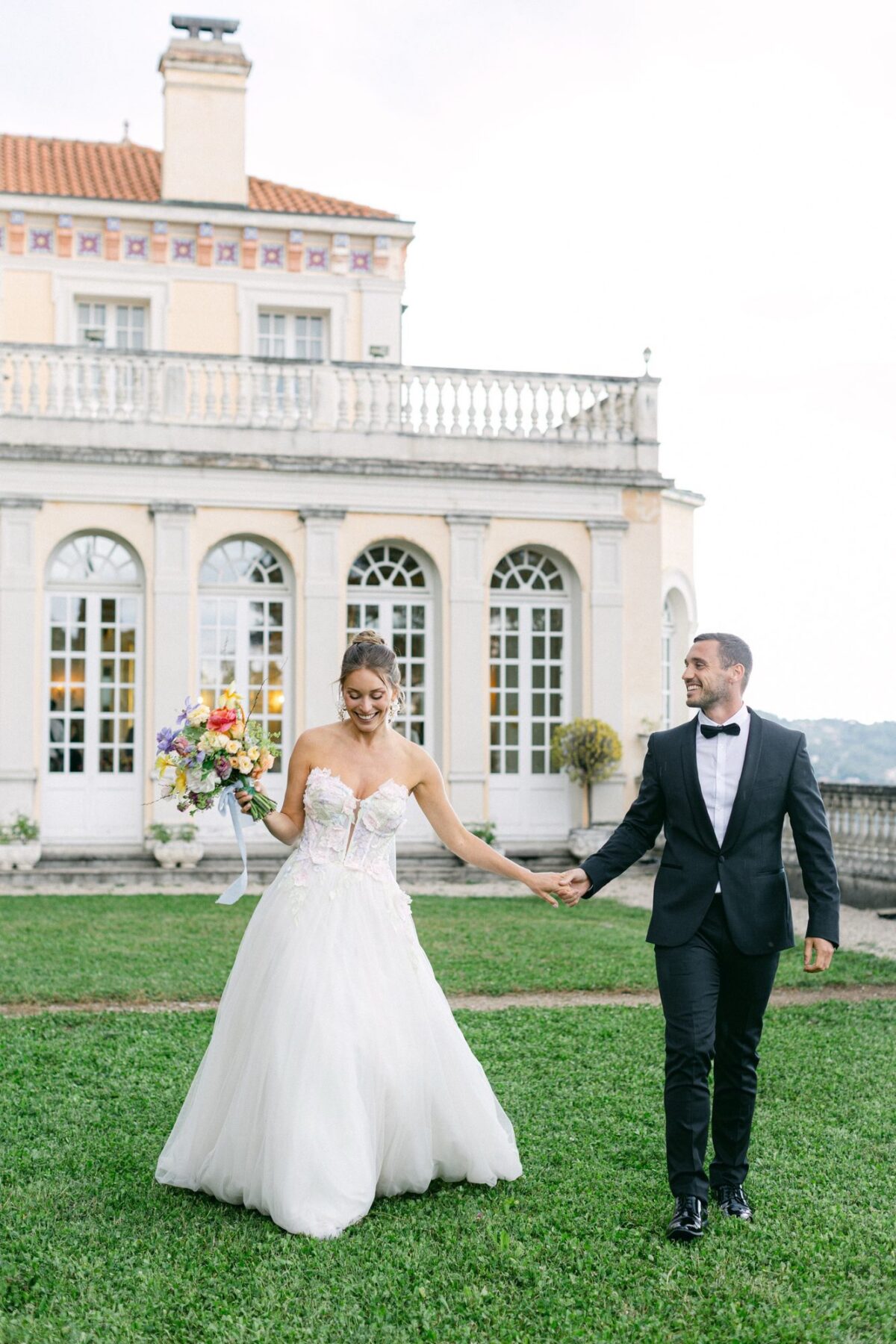
This is the defining trend of recent years: the tight, round bouquet is giving way to freer compositions inspired by gardens and meadows. Visible stems, soft lines, overflowing foliage, flowers that seem to have been gathered on a country walk… The bouquet stretches horizontally, fans out or falls in a light cascade, following the movement of the dress rather than freezing it.
Garden roses, peonies and old roses mingle with more ethereal blooms, eucalyptus, olive branches and wild grasses. A ribbon of raw linen or silk, left to float freely, often completes the design.
In photography, these bouquets are a real gift: their irregular silhouette catches the light, creates depth and brings a sense of spontaneity to the portraits, even the most composed ones.
The return of the petite bouquet
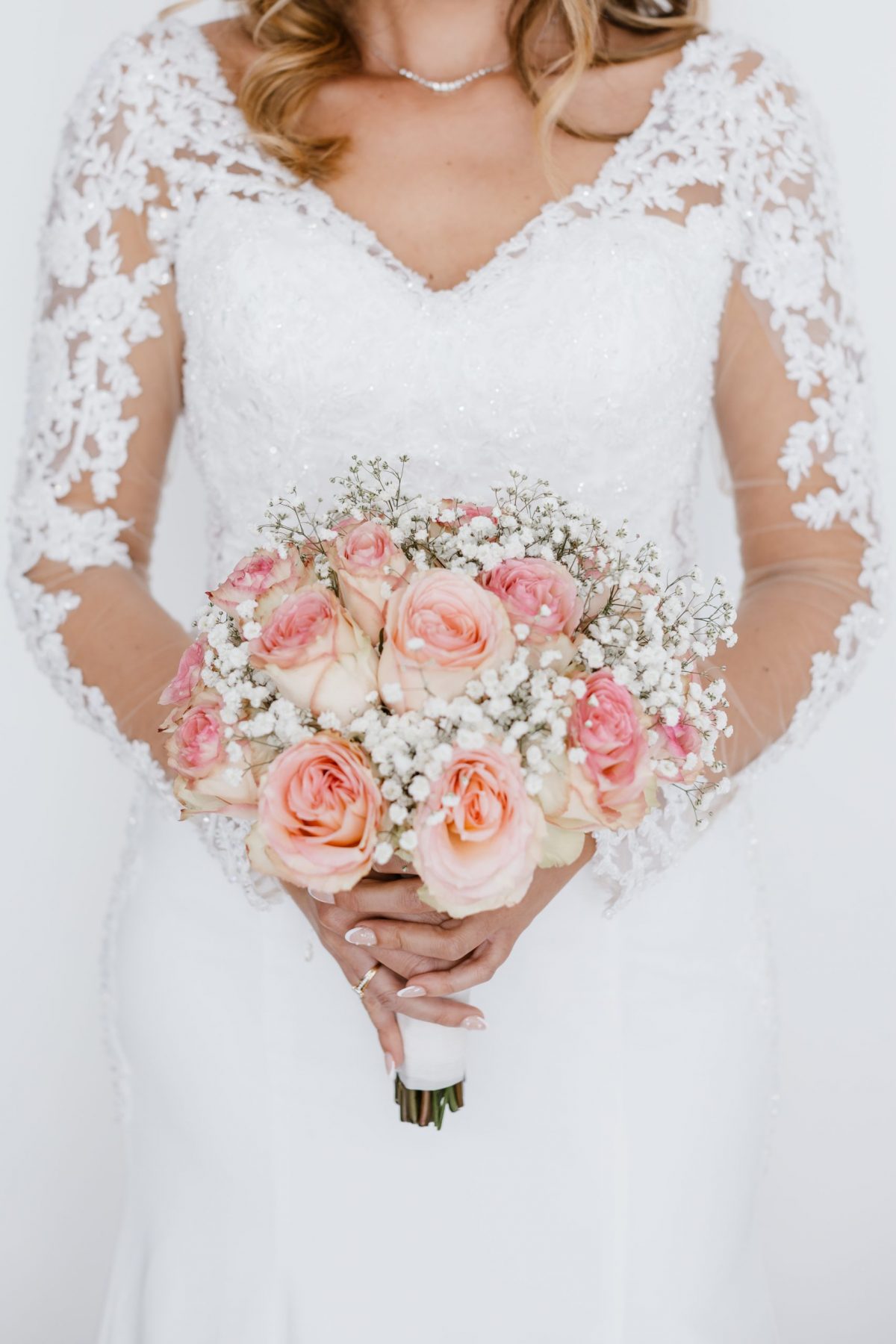
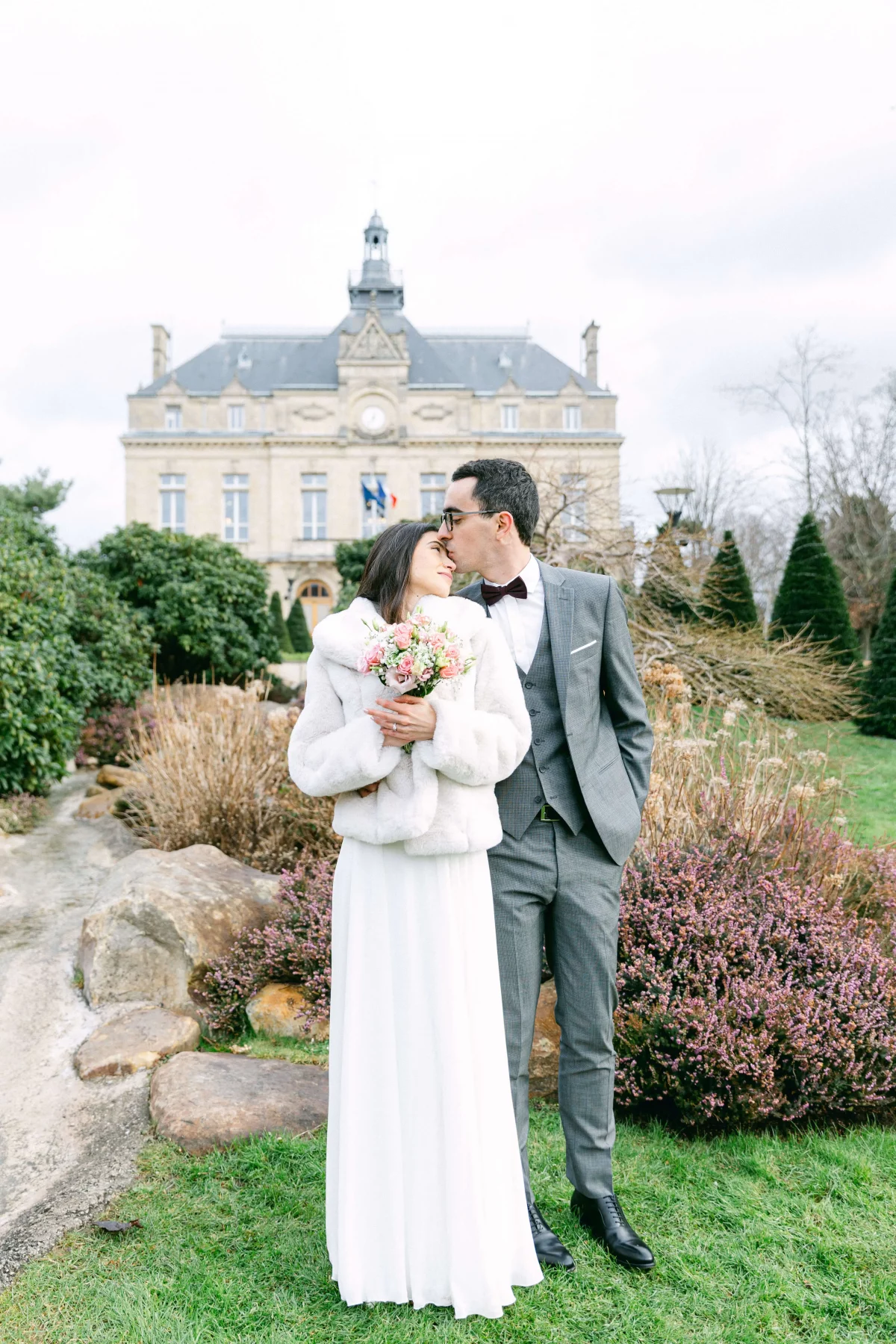
In contrast to large, spectacular arrangements, the petite bouquet is making a striking comeback: posies, nosegays, small and delicate hand-tied bouquets. Lighter, it is easy to carry throughout a long day and pairs beautifully with structured gowns, short silhouettes or intimate civil ceremonies.
This choice also reflects a search for meaning: less volume, but carefully chosen seasonal flowers, and often a floral budget refocused on what truly matters.
The single-flower or monochrome bouquet
One variety, one colour, and all the elegance lies in restraint. Tulips, ranunculus, lilies, calla lilies or a simple armful of baby’s breath: the single-flower bouquet relies on visual harmony and a perfectly controlled shape.
The craftsmanship then moves to the handle: wild silk, leather, braided linen, sometimes a small medallion or a ribbon embroidered with the couple’s initials. A detail I particularly love to photograph in close-up during the preparations.
Colour takes centre stage
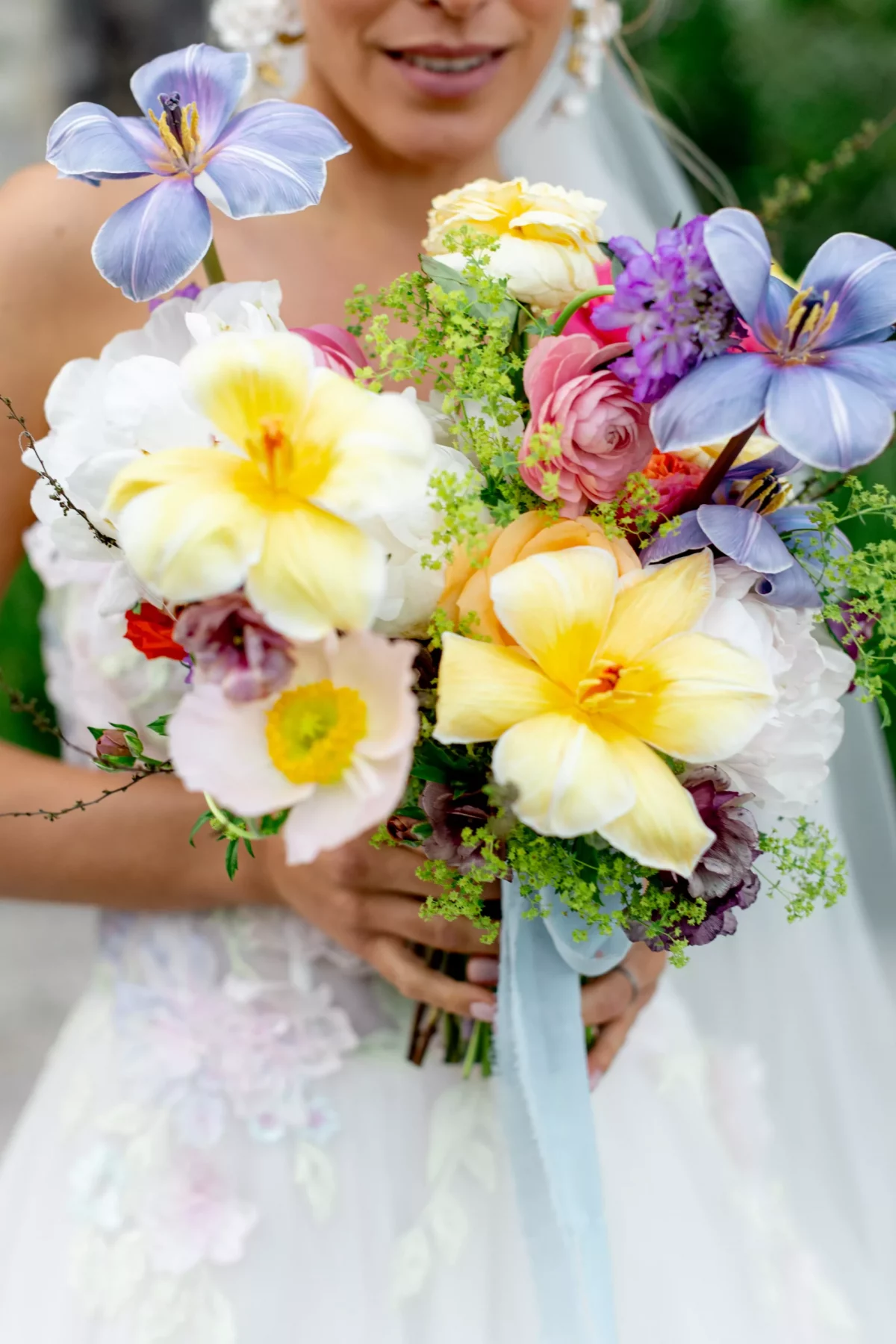
White is no longer a given. While white and ivory bouquets remain timeless, often paired with wildflowers and textured greenery, more and more brides are now embracing colour.
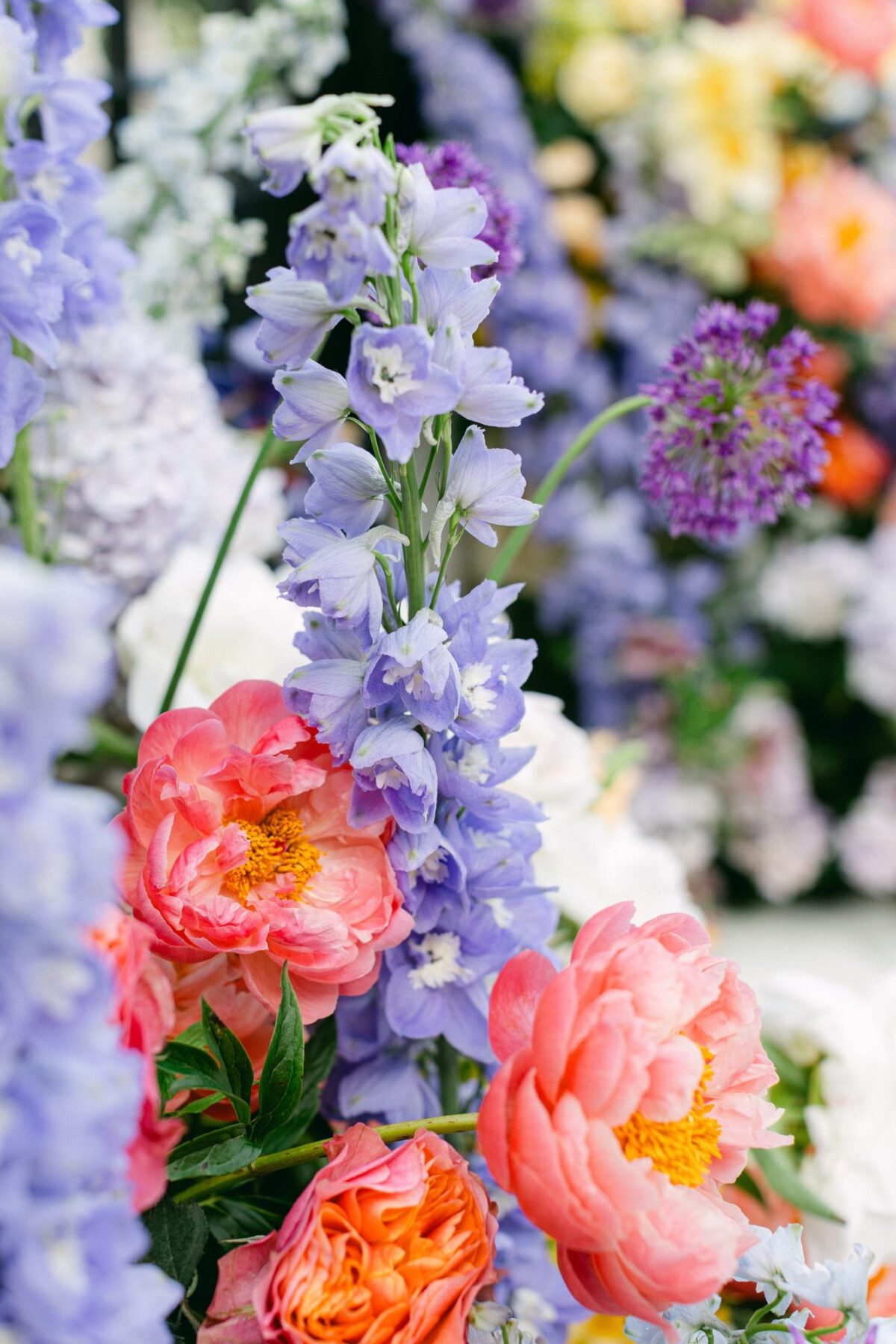
Three palettes stand out: watercolour tones (peach, mauve, cream, soft coral, lavender), butter yellow combined with ivory and champagne, and deep shades such as burgundy, wine and earthy tones for autumn weddings. The boldest brides even go for fuchsia and magenta, paired with powder-pink roses.
The clutch bouquet
A new idea borrowed from fashion, the clutch bouquet is carried like a small evening bag, often thanks to a rigid handle made of pearls or ribbon. Halfway between a bouquet and an accessory, it will appeal to brides who love editorial looks and unexpected details.
The reinvented cascade
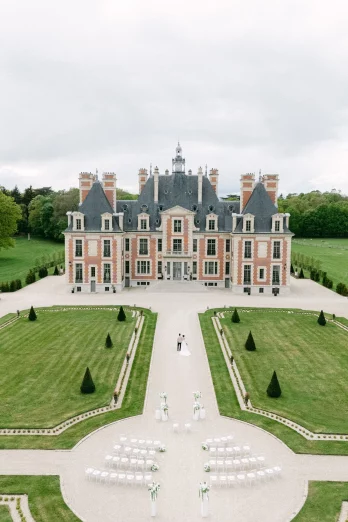
The trailing bouquet is back, but in a much lighter version than the grand cascades of the past. More sculptural and airy, it may feature white orchids, trailing vines or suspended blooms. A spectacular silhouette that flatters flowing gowns and ceremonies in grand settings, such as a château or a stately reception hall.
Seasonal, local and dried flowers
Couples are paying more and more attention to where their flowers come from. Choosing local, seasonal varieties is both a more responsible choice and the guarantee of flowers at their most beautiful.
Dried and preserved flowers, on their own or mixed with fresh blooms, also appeal to brides who wish to keep their bouquet long after the wedding. Honesty, grasses and dried foliage add a soft, more bohemian texture.

My photographer’s eye: choosing your bouquet with the images in mind
Whatever trend you choose, a few tips will help your bouquet look its most beautiful in photographs:
- Match it to your dress: an oversized bouquet can overwhelm a flowing, minimalist gown, while a petite one can get lost against a dramatic train.
- Think about the light: pastel and watercolour shades shine in soft light, while deep colours look stunning at the end of the day.
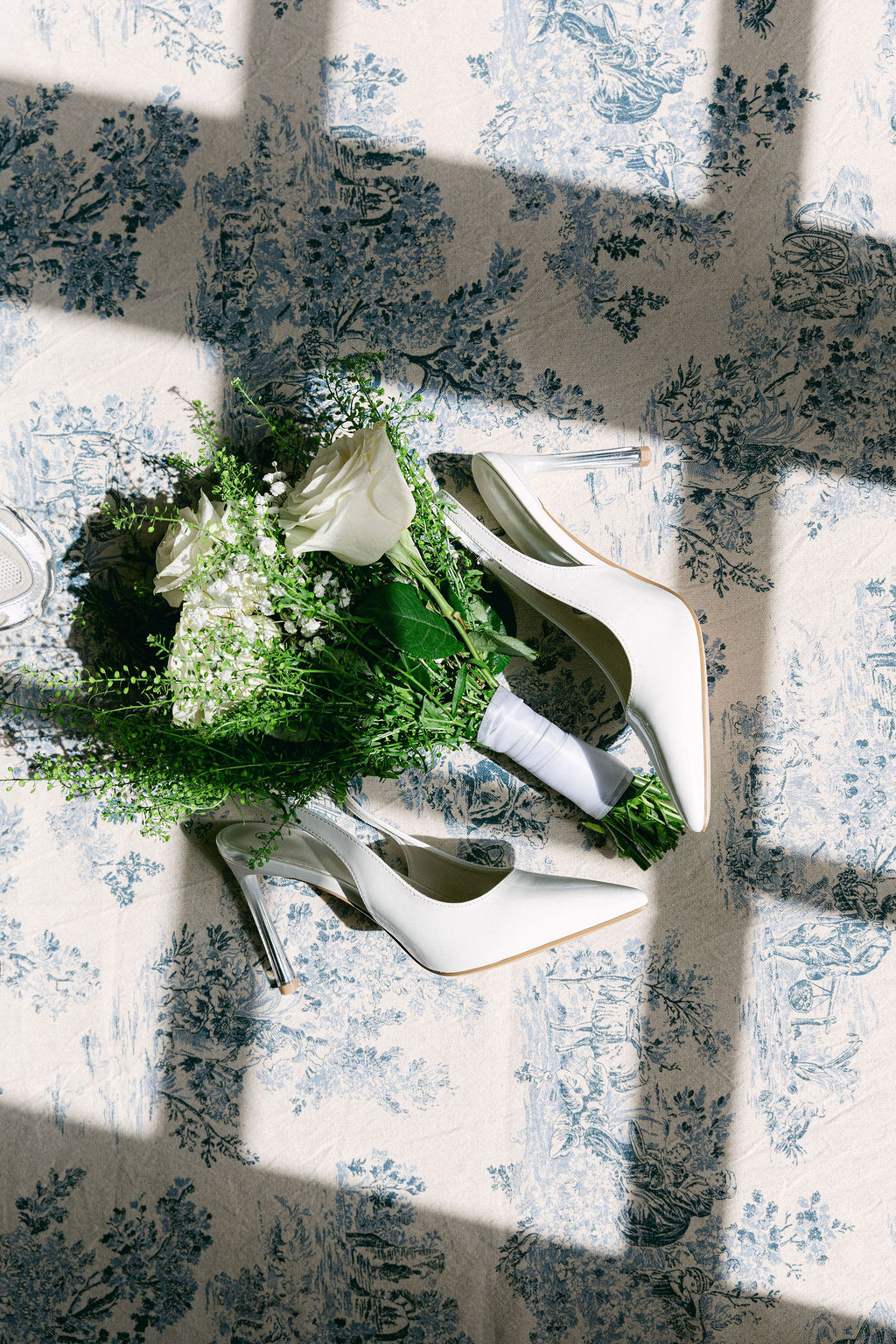
- Have it delivered early: ideally during the preparations, so I can photograph it alongside the other details (rings, shoes, stationery).
- Hold it low: at waist height and slightly tilted, it lets your dress and silhouette show.
- Plan a toss bouquet: a smaller version keeps your bridal bouquet intact.

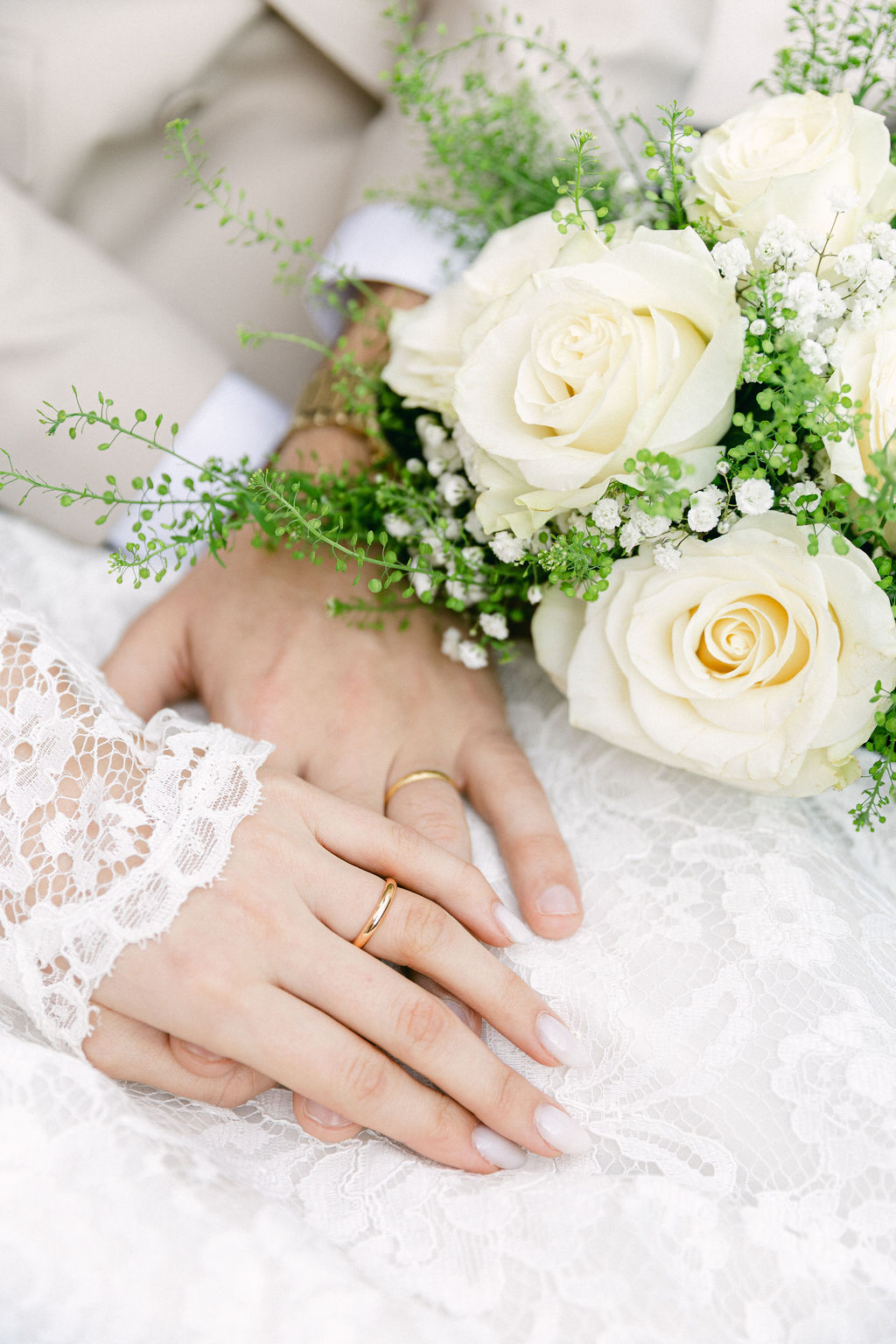
A beautiful bouquet is not one that follows the trend to the letter, but one that reflects who you are and suits the story of your day.
Your wedding photographer in Paris
Planning your wedding in Paris, Île-de-France or on the French Riviera? I would love to hear about your project and accompany you with a gentle, luminous and editorial approach. Discover my work as a wedding photographer in Paris, or get in touch directly.